Home › Common Problems › Skylight Leaks and Seal Failure
Skylight Leaks and Seal Failure
in Nashville, TN
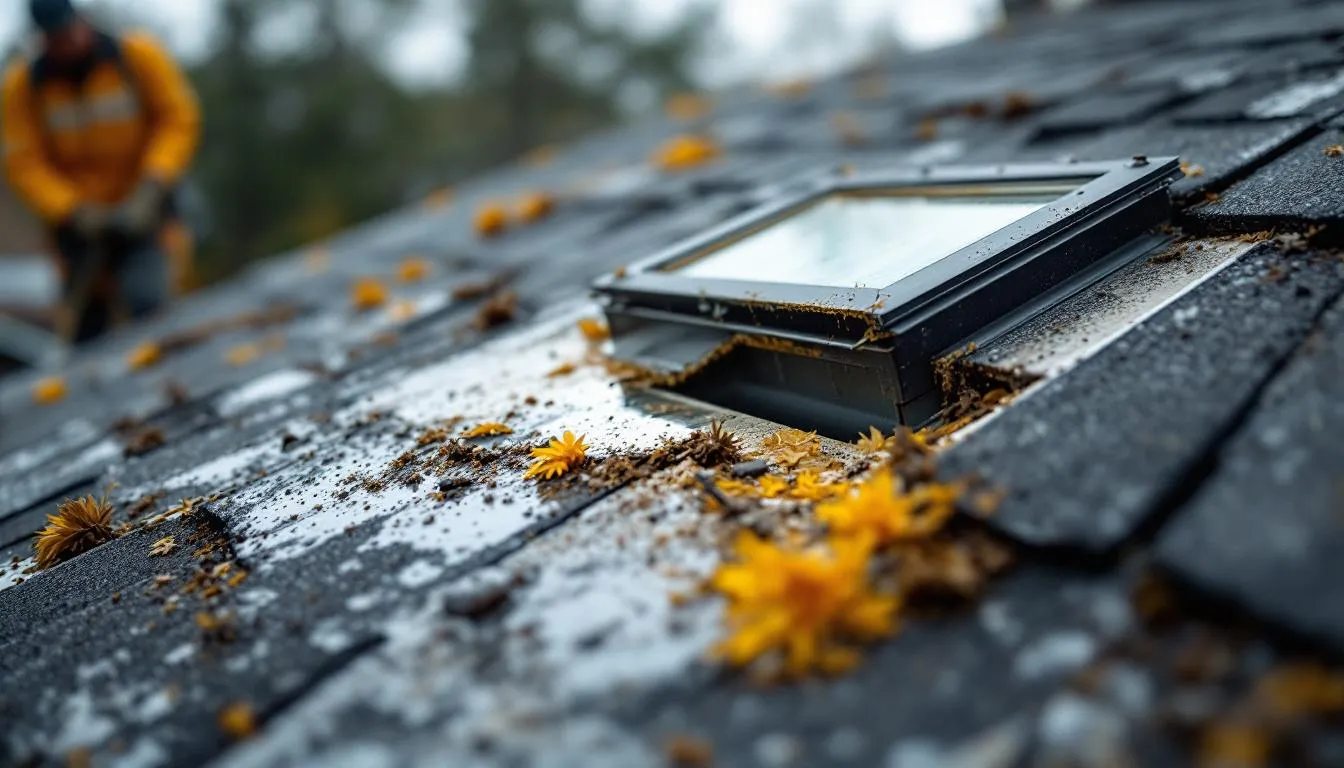
Skylights are one of the most leak-prone spots on any roof. They connect glass or plastic, metal framing, and roofing materials that all expand and contract at different rates under Nashville's extreme temperature swings. Nashville's heavy spring rains, often driven by southerly winds, push water hard against skylight seals. Many Nashville homes from the 1990s and 2000s have bubble-dome skylights now past the 20-year mark where everything tends to fail at once. Left alone, a failing skylight can rot the framing around it before you ever see a water stain.
Nashville Roof Repair Pros helps Nashville, TN homeowners fix skylight leaks and seal failure — call for a free inspection.
Quick Answer
Nashville's big temperature swings make the metal, glass, and roofing around skylights expand and shrink at different rates until the seals crack open. Older bubble-dome skylights from the 1990s and 2000s are especially prone to this. A roofer reseals the edges or replaces the flashing around the frame. Call if you see water dripping or any staining on the ceiling around your skylight.
Telltale Signs
Warning Signs to Watch For
- Water dripping or running from the skylight frame or shaft onto interior ceilings or floors
- Water stains, discoloration, or peeling paint on the drywall of the skylight shaft or tunnel
- Visible condensation or fogging between the panes of a double-pane skylight unit
- Discolored, cracked, or missing caulk visible around the skylight perimeter from inside or outside
- Bubbling, lifting, or deteriorated roofing material visible around the skylight curb on the exterior
- Soft or stained ceiling drywall extending outward from the skylight into the adjacent ceiling field
Root Causes
What Causes Skylight Leaks and Seal Failure?
Flashing System Failure
Skylight flashing has to seal the joint where the glazing unit, the frame, and the surrounding shingles all meet. Flashing is the metal sheeting that channels water away from that joint. Nashville's constant heating and cooling stresses that joint from every direction. When the seal fails, Nashville's intense spring rains drive water under the upslope shingles. The leak often shows up on the ceiling a foot or more away from the skylight because water follows the framing.
The Fix
Skylight Reflashing
All old flashing comes off first. The curb and the wood around it get checked for rot and fixed as needed. Then new step, sill, and counter flashing goes on so water always runs away from the unit.
Glazing Seal and Frame Deterioration
The seal inside a double-pane skylight is a butyl or silicone compound. It breaks down from UV exposure and Nashville's wide temperature swings. Once that seal fails, moisture gets between the panes and fogs them permanently. The same breakdown also eats away the caulk bead that connects the glazing to the metal frame. That opens a direct path for rain to get into the rough opening.
The Fix
Skylight Glazing Replacement or Full Unit Replacement
A skylight with a failed seal gets evaluated carefully. If the frame is still solid, only the glazing needs replacing. If the frame has corroded or warped, the whole unit comes out and a new one goes in, re-flashed to handle the wind and rain Nashville gets.
Condensation from Attic Humidity
In Nashville's humid summers and cool winters, a poorly insulated skylight shaft gets cold on the inside. That cold surface causes water to condense on the shaft walls, especially overnight when indoor humidity peaks. Homeowners often think it is a roof leak. But the real clue is that the dripping happens on calm, clear nights rather than during rain. Nashville's mixed-humid climate zone is the actual cause.
The Fix
Skylight Shaft Insulation and Air Sealing
The skylight shaft walls get insulated to the R-value required by the current Metro Nashville energy code. All air gaps between the shaft framing and the attic get sealed with spray foam. That eliminates the cold surfaces where humidity condenses, and the dripping stops without any roof work needed.
Self-Diagnosis
Which Cause Applies to You?
Check the signs you're observing to narrow down the likely root cause before your inspection.
| What You're Seeing | Flashing System Failure | Glazing Seal and Frame Deterioration | Condensation from Attic Humidity |
|---|---|---|---|
| Water appears during or immediately after rain events, tracking along the shaft wall | |||
| Persistent fogging or cloudiness visible between the glazing panes regardless of weather | |||
| Moisture drips appear on calm, clear nights but not consistently during rainstorms | |||
| Visible exterior caulk failure or lifted roofing material around the skylight curb | |||
| Water stain pattern on ceiling extends well beyond the skylight perimeter | |||
| Skylight frame is visibly warped, corroded, or has lost its original rectangular shape |
Free Quote
Get a free quote in Nashville
No obligation — tell us what's going on and we'll text you back shortly.
Other Problems
Services That Fix This
Skylight Leaks and Seal Failure Near You
Also Helpful